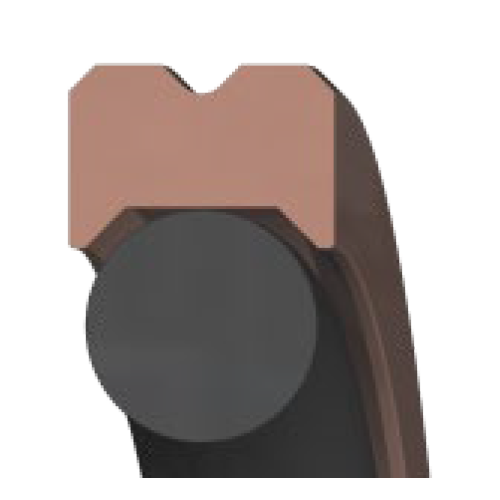
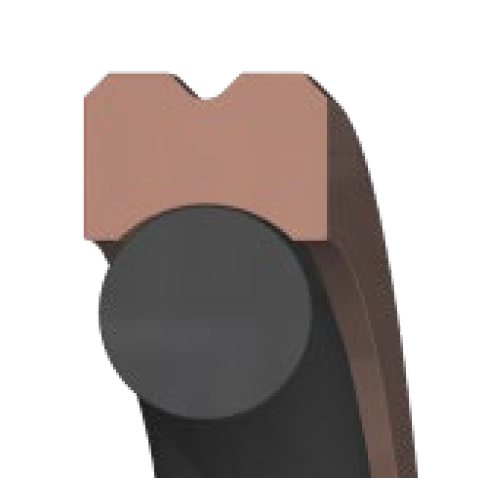
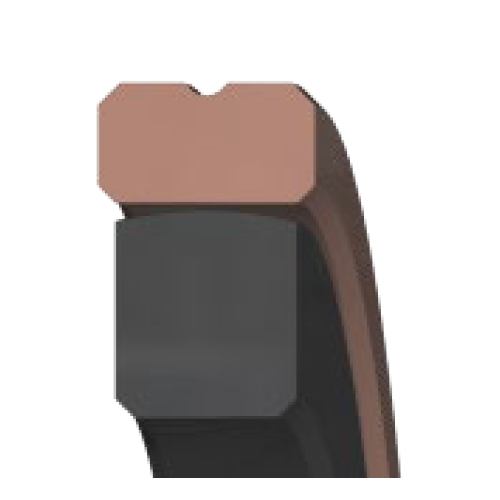
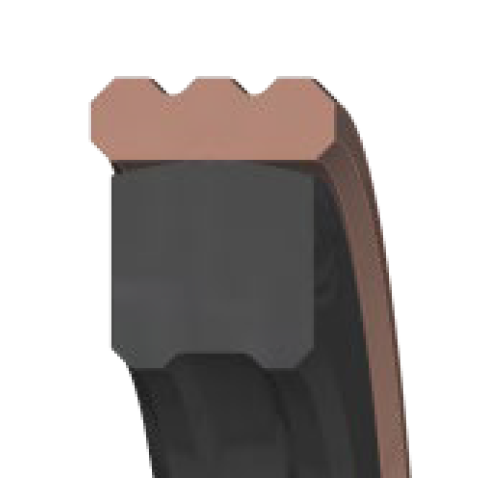
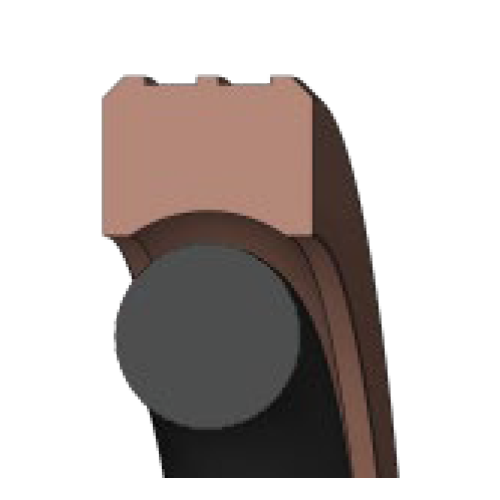
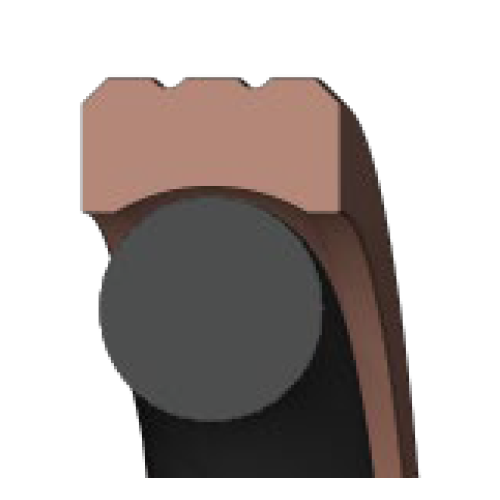
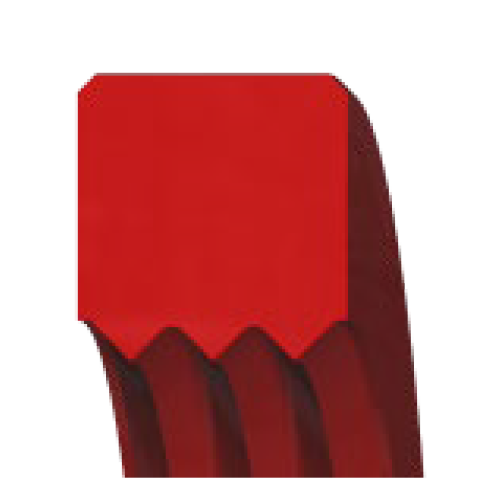
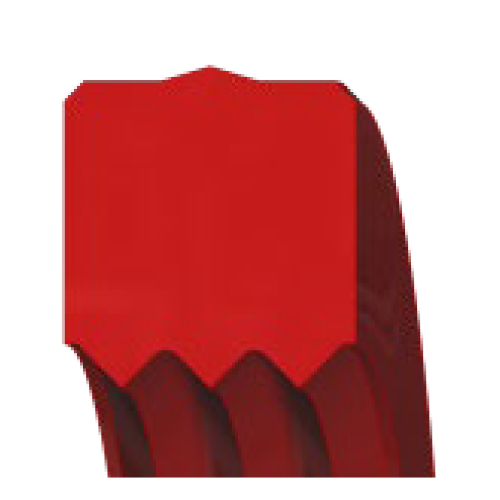
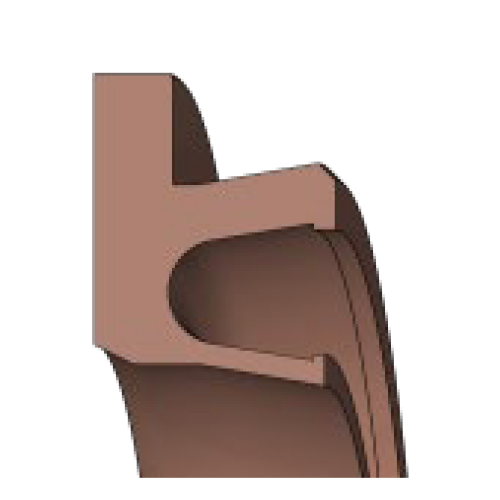
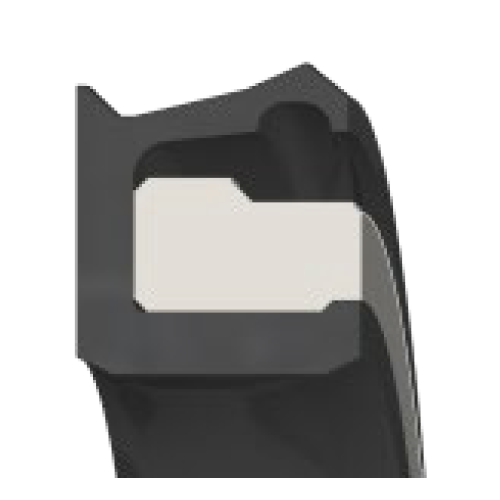
Rotary Seals for Hydraulic and Pneumatic Applications
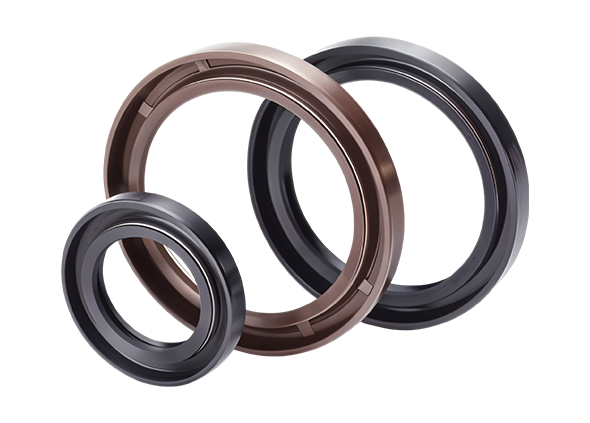
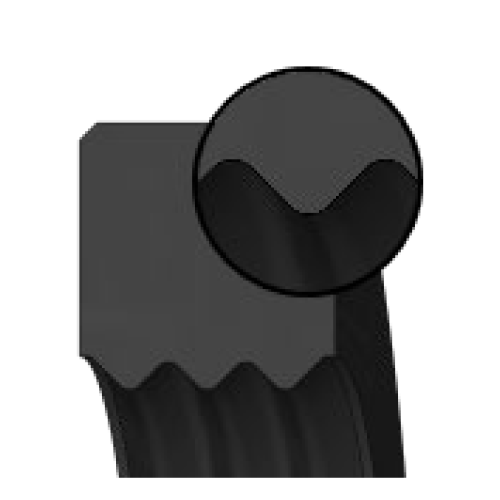
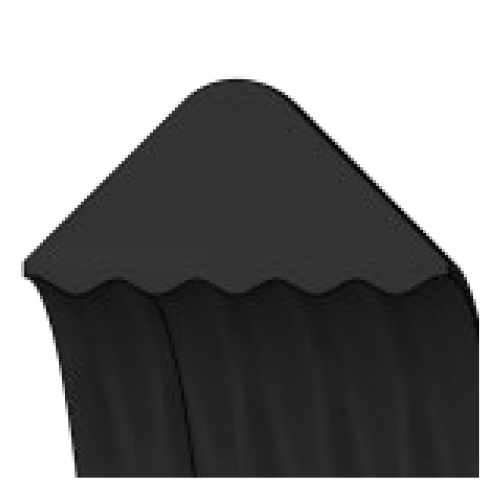
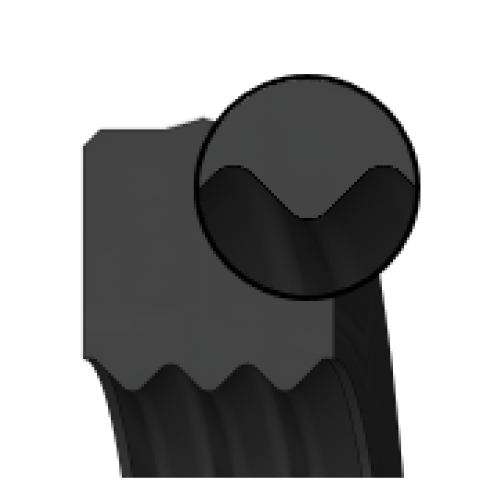
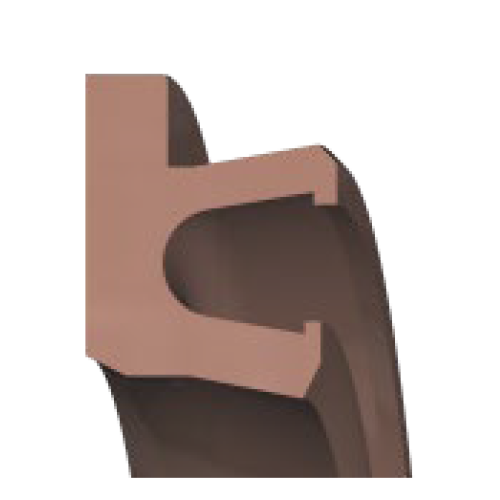
Rotary shaft seals are vital components in hydraulic and pneumatic systems that involve rotational movement. These seals prevent fluid or gas leakage while allowing a rotating shaft to move smoothly within a stationary housing. By maintaining pressure and preventing contamination, rotary shaft seals ensure the efficient and reliable operation of rotating machinery.
Common types of rotary shaft seals include:
Radial Lip Seals (Oil Seals)
The most widely used rotary shaft lip seal, featuring a flexible lip that maintains constant contact with the rotating shaft to prevent leakage.
Mechanical Seals
Composed of two hard faces—one rotating and one stationary—offering highly effective sealing performance.
Dynamic Seals
Engineered for continuous or frequent rotational movement, these dynamic seals provide reliable sealing in demanding applications.
Static Seals
Suitable for applications with minimal or infrequent rotation.
Materials
Rotary seals are made from a variety of materials, chosen based on the operating conditions and fluid compatibility.
Nitrile Rubber (NBR)
Cost-effective, good resistance to oils and fuels.
Viton (FKM)
High-temperature resistance and excellent chemical compatibility.
Silicone
Good temperature resistance and flexibility.
Polyurethane (PU)
Excellent abrasion and tear resistance.
Applications
Rotary seals are used in a wide range of hydraulic and pneumatic applications
Hydraulic Pumps and Motors
Sealing rotating shafts.
Pneumatic Actuators
Preventing air leakage.
Gearboxes
Sealing lubricant and preventing contamination.
Why Use Rotary Seals?
Leakage Prevention
Rotary seals prevent hydraulic fluid or pneumatic air from leaking out of the system where a rotating shaft interfaces with a stationary component.
Contamination Control
They prevent external contaminants, such as dirt, dust, and moisture, from entering the system, which can damage internal components and reduce performance.
Pressure Maintenance
Rotary seals help maintain system pressure, ensuring efficient power transfer and precise control.
Extended Equipment Life
By preventing leakage and contamination, rotary seals contribute to the longevity and reliability of the equipment.
Selecting the Right Rotary Seal
Choosing the correct rotary seal depends on several factors
Shaft Diameter and Speed
The dimensions and rotational speed of the shaft.
Temperature Range
The range of temperatures the seal will be exposed to.
Operating Pressure
The pressure the seal needs to withstand.
Fluid Compatibility
The type of fluid or gas the seal will be in contact with.